Fire Damage Restoration & Complete Rebuilding in Southeast Michigan
Who This Is For
This section is for you.
The Fire Restoration Process
01
Fire Department Clearance
We can’t enter until the fire department completes their investigation and clears the structure. We coordinate with them on timing.
02
Emergency Assessment
Once cleared, we go in immediately. We assess all fire, smoke, and water damage (fire suppression causes water damage). We figure out if targeted remediation works or if the house needs to be gutted.
03
Determine Scope
Small fire that affected one room? Targeted remediation. Whole-house smoke damage? Complete gut and rebuild. We tell you what’s required and why.
04
Deep Structural Cleaning
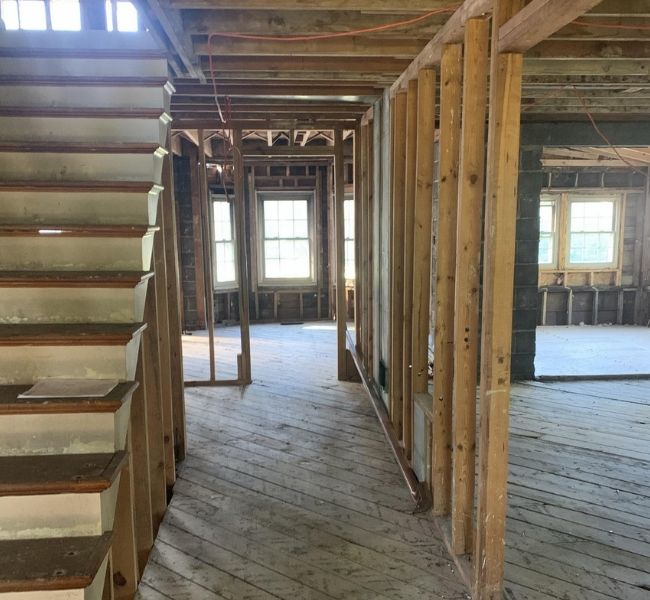
If gutting is necessary, we remove all damaged materials: drywall, insulation, flooring. We deep clean all studs and bare bones of the structure with shellac to prevent secondary issues and smoke residue.
05
Plan Mechanical/ Electrical/ Plumbing Updates
Fire often damages these systems. They need updating to code. We coordinate with trades. We communicate what’s required to your insurance company (code upgrade coverage).
06
Rebuild Piece by Piece
Flooring, drywall, insulation, trim, fixtures. We rebuild to code and to standard. We work with the city on inspections. We make sure everything is documented.
07
Manage City Inspections
The city will inspect electrical, plumbing, structural, and final. We coordinate these. We make sure you pass.
08
Handle Code Upgrades
Insurance policies cover code upgrades—the cost to bring old systems up to current code. We identify what’s required, document it, and make sure insurance knows what to pay for.
09
Coordinate Contents Restoration
Smoke and soot damage personal items: furniture, clothing, electronics. We facilitate professional contents cleaning for salvageable items. We document total losses for your claim.
10
Final Walkthrough and Warranty
You inspect. You sign off. We warranty the work for two years.
Why This Is Different From Water Damage
Fire affects everything simultaneously: structure, contents, mechanical systems, air quality.
Smoke and soot penetrate far beyond the visible burn area. Professional remediation means deep cleaning with specialized equipment and chemical treatments. Homeowners can’t replicate this.
When severe, the entire house needs gutting to the studs and rebuilding. That’s expensive. That’s disruptive. That requires coordination with the city, insurance, and multiple trades simultaneously.
We handle that middleman role so you don’t have to.
We handle that middleman role so you don't have to.
Permits, Inspections & Code Upgrades Explained
Here’s the important part: Insurance policies cover code upgrade costs. If the city requires your electrical system to be updated to current code, insurance pays for that update. We document what’s required, negotiate with your carrier, and make sure it’s paid.
Many homeowners don’t know this exists and end up paying out-of-pocket. We make sure that doesn’t happen to you.
Contents Restoration
Fire damages belongings: furniture, clothing, electronics, artwork.
Specialized vendors can clean some items. Some are total losses.
We facilitate contents restoration through trusted vendors. We document everything for your insurance claim.
Additional Living Expenses (ALE)
FAQs
How long does fire restoration take?
Depends on severity. A targeted remediation might take 4-6 weeks. A complete gut and rebuild might take 3-6 months. Scope, materials, selections, and city inspections all factor in. We give realistic timelines.
Can my house be saved or does it need to be gutted?
After assessment, we’ll tell you exactly what’s required. Not everything needs complete gutting. Sometimes targeted remediation works.
What happens to my belongings?
We assess damage, document everything, facilitate professional cleaning for salvageable items, and document total losses for your claim.
Will insurance cover everything or will I owe money?
Your deductible is your responsibility. Everything else (including code upgrades), we advocate for insurance to pay. We handle the documentation and negotiation.
What's “code upgrade” coverage and why does it matter?
When your home is damaged and rebuilt, it might have to be updated to current building codes. Insurance has coverage for this. It can be thousands of dollars. We make sure you get it.
Do you clean contents or do I lose everything?
We work with professional contents restoration vendors. Smoke and soot can be cleaned from many items. Some are total losses. We sort it out and document everything.
How do you handle smoke smell?
Professional smoke remediation, deep cleaning of all surfaces, HVAC system cleaning, and specialized treatments. Smoke smell doesn’t just vanish—it has to be professionally removed.
What if I have renters/tenants who lost belongings?
Renters often have their own renter’s insurance. We help tenants document their losses and file claims separately. We coordinate with landlord insurance and tenant insurance.
How long before I can move back in?
Depends on scope. Small fire might allow you back in weeks. Complete rebuild might take months. We’ll give you realistic timeline after assessment.
Do you handle structural rebuilding or just cleanup?
We handle the complete rebuild: structural, mechanical, electrical, plumbing, drywall, flooring, finishes. One-stop shop.
What's included in “reconstruction”?
Everything needed to rebuild the home to current code and to standard: framing, electrical, plumbing, HVAC, drywall, flooring, trim, fixtures, finishes.
Local Service Areas
NextGen serves fire restoration needs across southeast Michigan: Canton, Novi, Plymouth, Birmingham, Farmington, Livonia, Dearborn, Westland, and surrounding communities. We coordinate with local fire departments, city inspectors, and insurance carriers.